Navigating the delicate equilibrium between historic preservation and futuristic ambition requires a rare brand of quiet determination. While many view the shimmering skyline of a modern metropolis as a collection of isolated architectural triumphs, true visionaries see a deeply interconnected ecosystem where community and commerce must seamlessly co-exist. For over two decades, the steady hand behind some of the region’s most transformative urban footprints has operated on the belief that brick and mortar are merely the canvas, while human connection remains the true masterpiece.
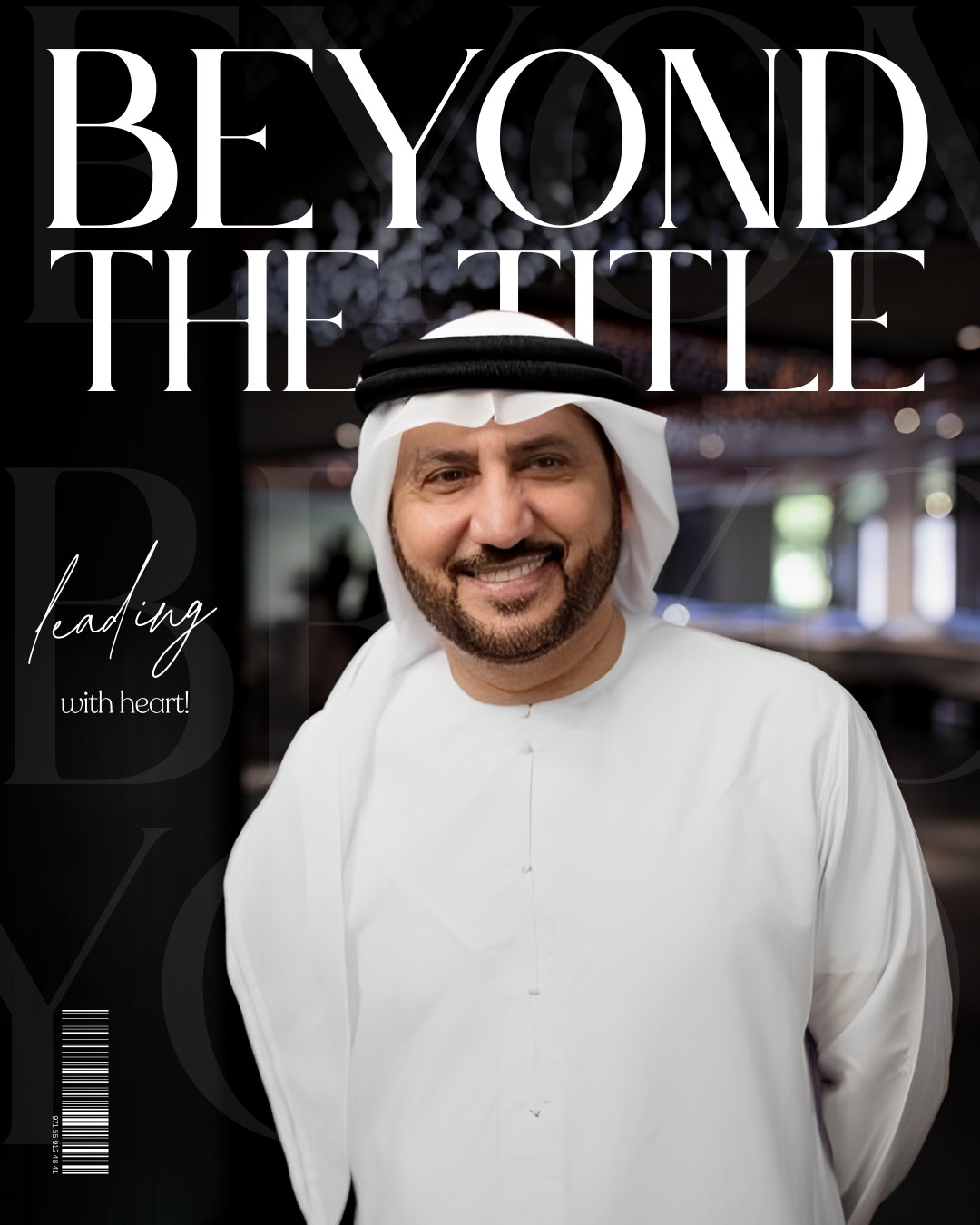
Nasser Al Shaikh has masterfully translated this philosophy into tangible reality, orchestrating the evolution of a massive land bank that serves as the literal foundation for Dubai’s modern landscape. As a seasoned executive who has navigated the highest echelons of both the public and private sectors, his journey is woven tightly into the fabric of the emirate's economic expansion since the early 2000s.
By steering complex, large-scale mixed-use developments, he bridges the gap between ambitious governmental blueprints and viable, thriving residential communities. The sheer complexity of managing one of the region's largest real estate portfolios extends far beyond basic property development. It demands a sophisticated understanding of global market fluidities, intricate regulatory frameworks, and the diverse needs of both local and international investors.
Rather than relying on rigid corporate dogmas, his approach prioritizes agile diplomacy and strategic relationship-building across borders, stretching from local municipalities to high-stakes investments in Malta, Kochi, and Morocco. On a day-to-day basis, his reality looks vastly different from the static prestige implied by an executive designation. He acts as a primary economic diplomat and strategist, spending hours aligning cross-functional teams, engaging with government affairs, and translating macro-level financial forecasts into ground-level execution.
This involves constant recalibration—balancing the immediate demands of asset optimization with the long-term stewardship of vast geographic territories. At the core of this relentless operational rhythm is a deeply ingrained philosophy regarding leadership and human capital. He maintains that true organizational resilience cannot be mandated from the top down; it must be cultivated through trust, shared clarity, and the empowerment of execution-focused teams.
For him, leadership is not about managing tasks, but about unlocking the collective capability of people who take personal ownership of the broader vision. Ultimately, this distinct blend of localized insight and global foresight offers a compelling blueprint for the future of urban development. In an industry often distracted by transient architectural trends, his steady focus on foundational excellence and sustainable value creation provides a grounding force.
The resulting clarity ensures that as the landscape continues to evolve, it does so with a profound sense of purpose, permanence, and human-centric design. "Real estate is not about shaping concrete, but about shaping the human ecosystem that lives within it; the land bank is simply the canvas for a grander community vision." — Nasser Al Shaikh