Steering a nation toward uncharted digital frontiers requires an extraordinary mix of generational foresight and calculated agility. While many global leaders approach emerging technologies as distant disruptors to be regulated from afar, true pioneering governance views them as the very bedrock of future economic architecture. For nearly a decade, the strategic mind driving one of the world’s most ambitious technological transformations has operated on the conviction that innovation is not a luxury, but the fundamental currency of national resilience.
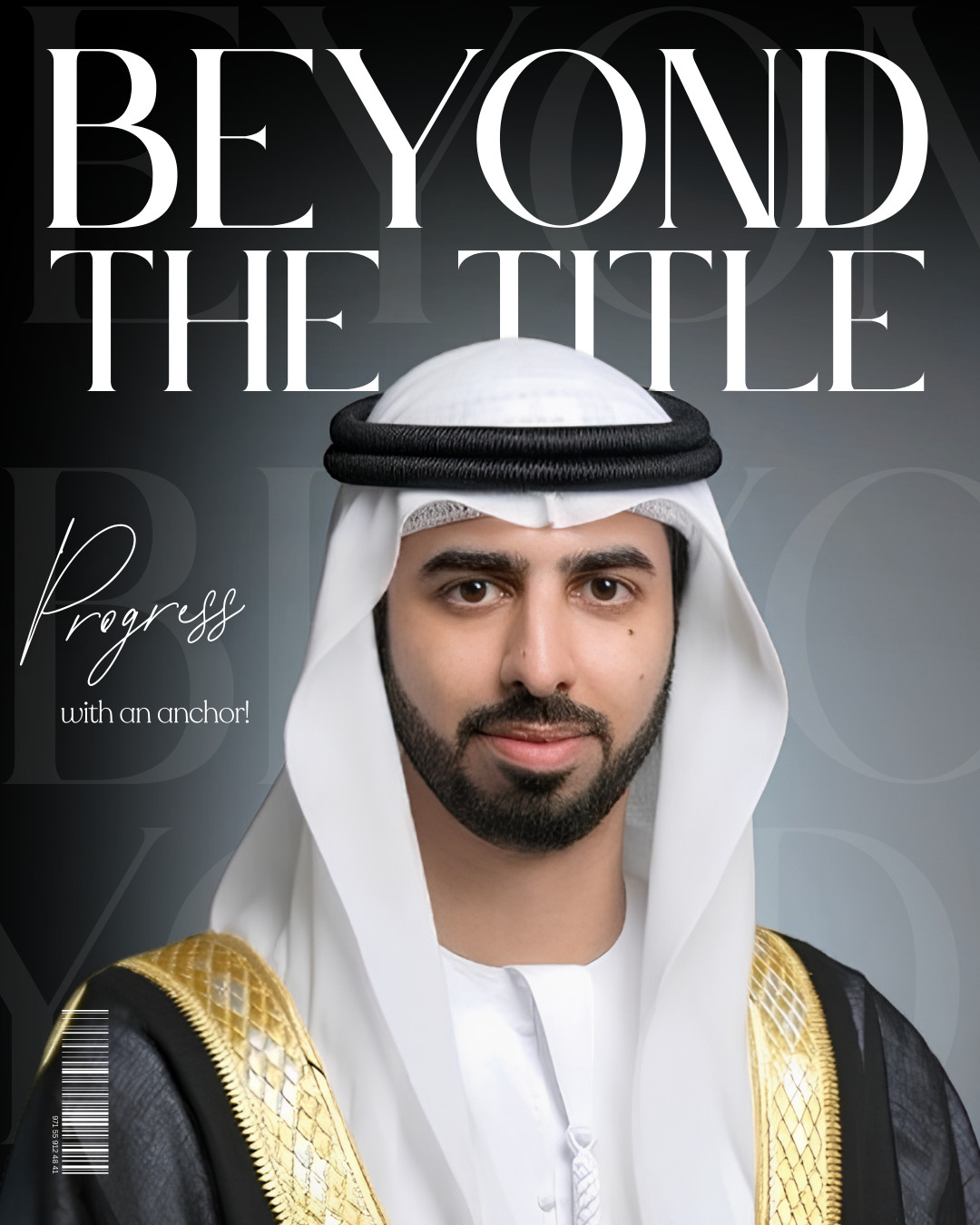
His Excellency Omar Sultan AlOlama has spent his career turning this forward-thinking philosophy into reality, establishing the global benchmark for digital governance as the world’s first Minister of State for Artificial Intelligence. From his foundational roles within the Prime Minister’s Office to his stewardship across the Dubai Future Foundation, his trajectory is synonymous with the UAE's rise as a premier knowledge-based economy.
By championing landmark initiatives like the UAE Artificial Intelligence Strategy and the Dubai Metaverse Strategy, he bridges the gap between complex algorithmic potential and real-world national prosperity. The sheer intricacy of managing a portfolio that encompasses artificial intelligence, the digital economy, and remote work infrastructure extends far beyond standard policy-making.
It demands a sophisticated equilibrium between global tech-sector agility, cross-border economic diplomacy, and the rigid imperatives of public sector execution. Rather than allowing bureaucracy to stifle progress, his approach injects an entrepreneurial mindset into governance, fostering strategic ecosystems where international tech giants, agile startups, and state entities can co-create future frameworks.
On a day-to-day basis, his reality looks vastly different from the conventional image of administrative statecraft. He acts as a high- stakes futurist and operational diplomat, moving seamlessly between directing global knowledge exchanges at the World Government Summit and shaping global tech policy on the World Economic Forum's Advisory Board. This constant execution involves harmonizing the immediate demands of digital commerce through the Dubai Chamber of Digital Economy with the long- term, macroeconomic goal of future-proofing an entire nation's workforce.
At the heart of this relentless drive toward modernization lies a deeply grounded philosophy regarding leadership, human capital, and technology. He maintains that the digital economy is fundamentally built on human potential, meaning that advanced tools are only as powerful as the clarity and trust instilled in the teams deploying them. For him, leadership in the fourth industrial revolution means cultivating an environment of open iteration, where flattening traditional hierarchies allows speed, bold experimentation, and collective ownership to thrive.
Ultimately, this seamless integration of visionary governance and technocentric execution offers a definitive blueprint for the modern digital state. In a global landscape frequently overwhelmed by the velocity of technological disruption, his steady focus on foundational readiness and strategic infrastructure provides an essential anchor. The resulting clarity ensures that as the boundaries of the digital world expand, the nation does not merely react to the future, but actively architectures it for generations to come.
"Artificial intelligence is not a distant tech trend to be monitored, but the foundational architecture of the modern state; true leadership lies in coding national vision into economic reality." — Omar Sultan