The rapid evolution of global metropolitan centers is frequently measured by architectural milestones and numerical economic indicators. Yet, the true sustainability of an advancing society relies on the deliberate cultivation of its creative capital and the integration of art into everyday civic life. Navigating this vast landscape requires an executive who looks past traditional bureaucratic structures to view cultural development as a core engine of macroeconomic progress.
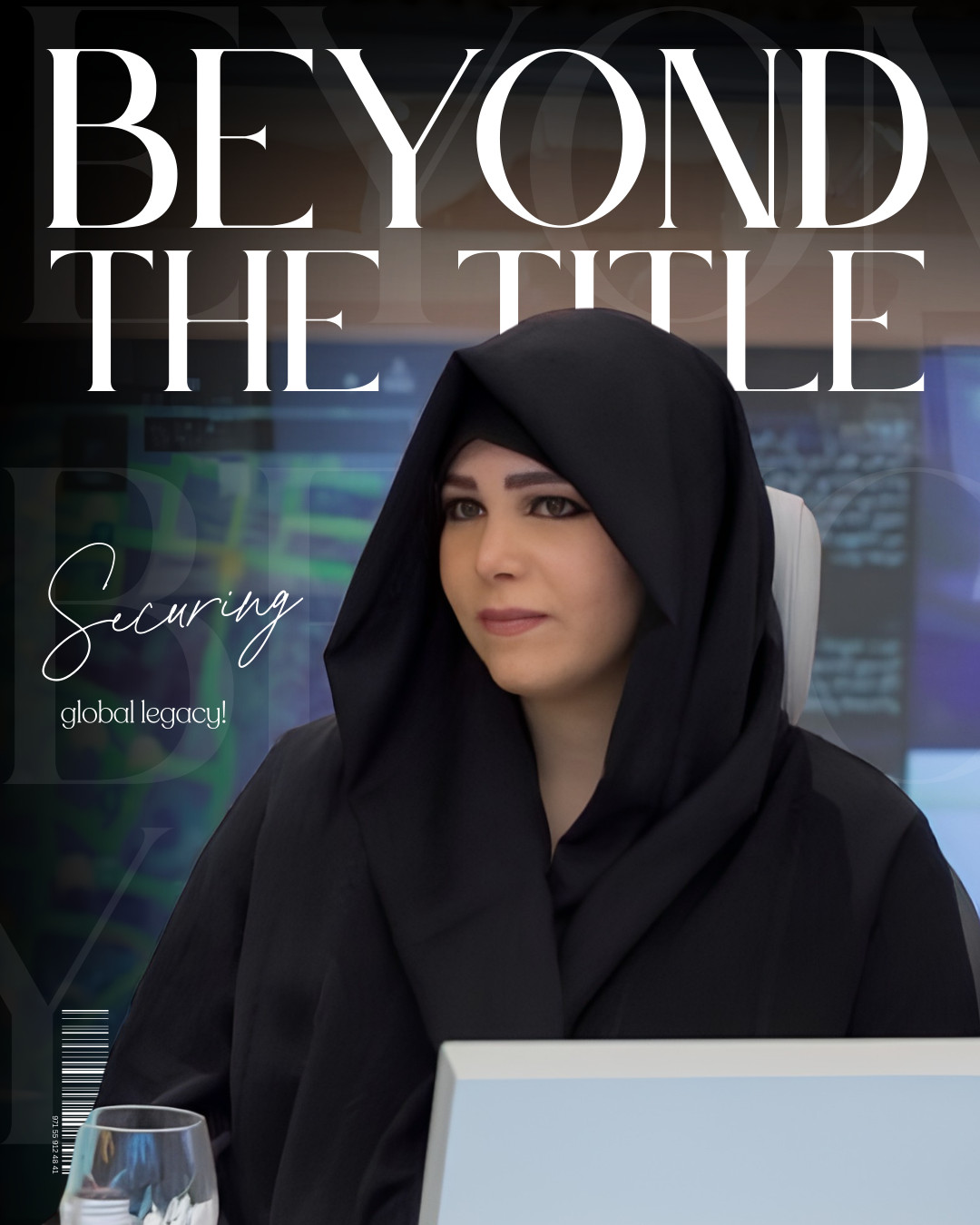
It is an environment where long-term societal transformation is achieved by transforming abstract creative ideas into structured institutional frameworks. Sheikha Latifa bint Mohammed bin Rashid Al Maktoum operates at the very forefront of this institutional evolution, steering the cultural landscape as the Chairperson of the Dubai Culture & Arts Authority. Having built a progressive, dedicated career within the authority since its inception in 2008, she combines a rigorous academic foundation in business administration with a lifelong commitment to national heritage.
Her expansive domain connects public policy, creative entrepreneurship, and cross-industry incubation across art and emerging technology. The complexity of her daily work involves aligning diverse grassroots artistic movements with the high-level strategic objectives of Dubai’s visionary growth plans. Behind the formal leadership designations, her day-to-day responsibilities focus intensely on ecosystem building, resource alignment, and cross-functional leadership.
Rather than merely supervising cultural programs from an executive distance, she actively works to bridge the gap between creative producers, literature foundations, and overarching governmental councils. Her background in strategic management and innovation development serves as a functional toolkit, allowing her to approach cultural preservation with the analytical mindset of an enterprise builder.
Whether she is reviewing socio-economic initiatives on The Dubai Council or shaping literary platforms, her focus remains on building scalable infrastructure for future generations. Her core organizational philosophy is anchored in the absolute conviction that a culture of progress and innovation must be driven entirely by the ideas of its people. Leadership, in her view, is not a top-down mandate but a practice of strategic enablement where the creative community is empowered to co-create the identity of the city.
She views systemic challenges not as structural roadblocks, but as vital opportunities to foster cross-disciplinary collaboration and technological adoption. By maintaining a deep respect for foundational heritage alongside an open approach to modern innovation, she establishes an environment where artistic expression becomes essential to social well-being. True institutional influence is ultimately measured by a leader's capacity to build a lasting legacy that outlives immediate strategic cycles.
Throughout her long-term trajectory guiding regional arts authorities and contributing directly to the vision for the nation's next fifty years, she has consistently demonstrated that cultural inclusivity is a primary driver of societal resilience. By blending the disciplined methodologies of corporate execution with an intuitive understanding of human creativity, she continues to elevate the regional creative sector onto the global stage.
Ultimately, her unique methodology signals a profound shift in how modern global hubs must approach urban development and human capital. In an era where rapid modernization can sometimes dilute local identity, her structured focus on cross- incubating art, technology, and heritage provides a definitive blueprint for balanced civic growth. By proving that elite public leadership is fundamentally driven by empathetic community engagement and strategic foresight, she sets a sophisticated benchmark for cultural governance across the region and the world.
"A culture of true progress and innovation cannot be engineered from the top down; it is built entirely upon the ideas of our people and realized when creativity becomes an intrinsic part of everyday life." — Sheikha Latifa